Creating website content is easy, but producing articles that attract the right audience and perform well in search engines requires careful planning. Many businesses publish blog posts regularly without seeing meaningful improvements in organic traffic. In most cases, the problem is not publishing frequency but the absence of a well-defined content strategy.
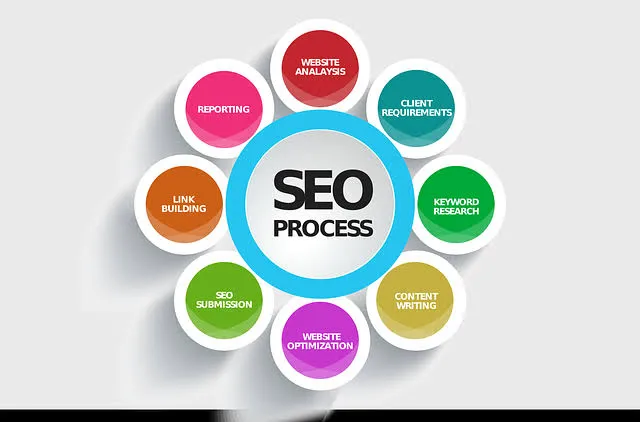
An effective SEO content strategy connects keyword research, audience interests, content quality, website structure, and performance analysis. It helps businesses create useful resources that address real search queries while supporting their broader marketing objectives. Companies can also expand their content reach through relevant Guest Posting opportunities and external publishing relationships.
An SEO content strategy is a structured approach to planning, creating, optimizing, and managing website content to improve its visibility in organic search results.
It involves understanding what your audience searches for and developing relevant pages that answer their questions.
For example, a company offering project management software might publish articles about team collaboration, task management, workflow automation, and productivity improvements.
These topics attract people interested in the company's industry while helping search engines understand the website's subject coverage.
A strong strategy should balance search visibility with genuine usefulness for readers.
Before researching keywords, define what you want your content to achieve.
Different businesses have different objectives. An ecommerce website may focus on product discovery and sales, while a SaaS company may prioritize qualified leads and product awareness.
Start by identifying:
Your primary products or services.
Your ideal customer segments.
Common customer questions.
Important business objectives.
Topics relevant to your industry.
The actions you want website visitors to take.
Understanding these factors helps prevent the creation of unrelated articles that generate traffic without supporting business goals.
Keyword research helps discover the search queries your potential customers use.
Tools such as Ahrefs, Semrush, and Google Keyword Planner can provide useful information about search demand, competition, and related keyword opportunities.
However, selecting keywords should involve understanding search intent.
There are four commonly recognized search intent categories:
Informational Intent: Users want to learn something or find an answer.
Navigational Intent: Users want to reach a specific website or page.
Commercial Investigation: Users are researching and comparing available solutions.
Transactional Intent: Users are ready to purchase or complete an action.
For example, someone searching for "how to improve website speed" has different requirements from someone searching for "best website speed optimization service."
Creating content that matches the intent behind a search query improves its relevance to the audience.
Publishing unrelated articles can make website content difficult to organize.
Topic clustering provides a more structured approach by grouping related articles around a central subject.
For example, a website covering SEO could develop a main resource about search engine optimization and supporting articles covering:
Technical SEO fundamentals.
Keyword research methods.
On-page optimization.
Link building strategies.
Website indexing.
Content optimization.
Local SEO techniques.
The main page can connect to relevant supporting articles through contextual internal links.
This structure helps visitors explore related information and makes the website's content relationships clearer.
Content quality should remain the primary consideration throughout the writing process.
An article should provide meaningful information rather than simply repeat existing search results.
To improve content quality:
Research the subject thoroughly.
Use accurate and updated information.
Include relevant examples.
Explain complex concepts clearly.
Add practical recommendations.
Avoid unnecessary keyword repetition.
Review facts before publishing.
Where appropriate, include original observations, professional experience, expert contributions, and trustworthy references.
The goal should be to produce content that genuinely helps readers make decisions or understand a subject.
Once an article is written, optimize its structure and important SEO elements.
Important areas include:
SEO Title: Write a unique title that communicates the article's subject and includes the primary keyword naturally.
Meta Description: Provide a concise summary that encourages relevant users to visit the page.
URL Structure: Use short, descriptive URLs that clearly represent the content.
Heading Hierarchy: Organize the article using appropriate H1, H2, and H3 headings.
Image Optimization: Use descriptive filenames, suitable formats, and relevant alt text.
Internal Links: Connect related pages using meaningful anchor text.
Content Readability: Use short paragraphs, informative subheadings, and clear explanations.
These improvements help create a better experience for both readers and search engines.
Internal linking is an important part of a well-organized website.
It connects relevant pages and helps visitors discover additional information without returning to search results.
For example, an article about keyword research could link to another guide explaining competitor analysis.
When creating internal links, prioritize relevance and usefulness rather than adding links simply to increase their total number.
Businesses should also review their navigation menus, category structures, and footer links to ensure important pages are accessible.
A balanced internal linking structure can help distribute page discovery opportunities across the website.
Publishing useful content on your own website is important, but external publications can introduce your brand to additional audiences.
Guest publishing allows businesses to contribute original articles to relevant third-party websites.
It can support brand awareness, referral traffic, professional relationships, and appropriate editorial backlink opportunities.
Before selecting a publishing website, evaluate its industry relevance, content standards, organic visibility, and audience quality.
Avoid choosing websites exclusively because they advertise high domain authority metrics.
Businesses interested in managing external content placements can explore GrowthYug for guest posting and outreach opportunities.
A common content marketing mistake is focusing entirely on publishing new articles while ignoring older pages.
Existing content may contain outdated information, broken references, missing sections, or optimization opportunities.
Regular content audits can help identify pages that need attention.
Consider reviewing:
Articles experiencing declining organic clicks.
Pages with impressions but low click-through rates.
Content containing outdated information.
Articles targeting overlapping keywords.
Pages with weak internal linking.
URLs that are not indexed despite being important.
Updating existing content with accurate information and meaningful improvements can help maintain its usefulness.
However, changes should be based on actual content needs rather than simply modifying publication dates.
A content strategy should be evaluated through measurable performance indicators.
Google Search Console provides valuable insights into how website content performs in organic search.
Important metrics include:
| Metric | What It Measures |
|---|---|
| Impressions | How often pages appear in search results |
| Clicks | Visits received from organic search |
| CTR | Percentage of impressions resulting in clicks |
| Average Position | Average search ranking position |
| Indexed Pages | Pages included in Google's index |
| Organic Conversions | Desired actions from organic visitors |
Google Analytics can provide additional information about engagement, landing pages, traffic sources, and conversions.
Review these metrics regularly to understand which topics perform well and where additional improvements may be needed.
Even businesses with regular publishing schedules can experience limited results when their content strategy lacks direction.
Some mistakes to avoid include:
Targeting keywords without understanding search intent.
Publishing multiple articles covering nearly identical topics.
Creating generic content without original value.
Ignoring technical SEO and indexing problems.
Overusing exact-match keywords.
Neglecting internal linking opportunities.
Measuring success only through the number of published articles.
A structured approach helps businesses use their content resources more effectively.
Developing a successful SEO content strategy requires more than keyword placement and regular blog publishing. Businesses need to understand their audiences, organize topics, create useful resources, optimize website pages, and continuously evaluate performance.
Combining topic clusters, internal linking, content updates, and relevant external publishing can create a stronger foundation for long-term organic visibility.
The most effective strategy is one that prioritizes useful information and meaningful audience engagement. Businesses looking to improve their content marketing and outreach activities can also explore GrowthYug for additional digital marketing resources and services.
With consistent planning and data-driven improvements, a well-developed content strategy can become an important contributor to sustainable website growth.

This post has been authored and published by one of our premium contributors, who contribute researched and informative content to our platform.