Ageing can cause problems in older elevators due to the ageing of various parts like controllers, drives, doors and electrical components. When multiple components of a building are outdated, the building owner may wonder if it is necessary to replace the entire building. Many times, it is possible to modernize and retain adequate existing equipment. The last word rests with the elevator condition, compatibility, safety and building usage, and availability of spare parts. Pre-work and pre-approval can be done with a professional assessment to determine the scope of the practical application.
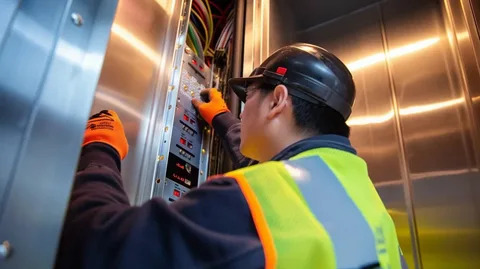
As components are ageing and maintenance is becoming more difficult, faults can start to occur in older elevators. An elevator modernization service is able to resolve obsolete components that may result in recurring problems or maintenance issues. Controllers, drives, machines, door operators, fixtures, wiring and ropes are all examples of components that can be included in modernization packages. Each elevator, however, will have individual needs. Before recommending replacements, technicians should look at the current system. This assessment is used to determine what areas are in need of attention and what areas can continue to be safe.
An elevator modernization service can encompass several of the big elevator systems. The extent of the scope will vary depending on the technology available, the age of the elevator, condition and elevator type. Older electronic systems might become harder to repair, gaining the attention of the controllers. Parts can become obsolete and cause drives and inverters to need to be replaced. Machines, ropes and sheaves, fixtures and related machines and traction equipment are included in some projects. Depending on the type of equipment and the requirements of the modernization, different packages are available from the manufacturers, and the contractors' job is to match the equipment they have in mind to the existing installation.
Another area that is often subjected to attention is the door systems, which are used during every passenger ride. A project can be used to replace the door operator, sensors, controls or other door equipment. The panels, tracks, rollers and landing doors are first checked by the technicians. And then they identify what can be accommodated in the new system. This evaluation method avoids unnecessary replacements and takes care of parts that impact on the operation and protection of the occupants.
Discontinued older parts can cause electrical and control system serviceability problems. It might involve the replacement of wiring, travelling cables, switches, control peripherals, car operating panels, hall fixtures, indicators, and displays as part of modernization. Newer equipment also can offer newer monitoring and diagnostic capabilities. Technicians need to test electrical connections and communication between each component, however, prior to final installation.
Safety equipment is especially important, as it involves multiple systems in operation during the elevator's use. Modernisation can include the safety circuits, position sensors, safety switches, overspeed governors, brakes and levelling systems. The size and scope will depend on the elevator design and requirements. Following installation, technicians are required to perform tests to verify safety responses, stopping accuracy, elevator function and other important aspects prior to placing it back into normal service.
A detailed equipment assessment should be used to determine the need to replace. Technicians examine the age of the elevator, maintenance history, common problems, condition of parts and spare parts. They also verify the ability to communicate with proposed replacement equipment with existing equipment. This activity helps identify what needs to be modernised and what can be modernised for a longer period of time.
Even if equipment is working, component obsolescence can impact the decision. The same controller can still be in use today but can cause issues down the road if the replacement boards don't exist. It can also impact drives, sensors, displays and other electronic components. Thus, the owner needs to pay attention to the performance of the service as well as the potential for service needs when considering a modernization proposal.
Not all. When modernizing an elevator, every part of the system is not required to be replaced. It may be found that some parts or components of structure and machinery are still suitable following inspection. Landing doors, guiderails, structural features, machine room features or other equipment may remain when they comply with the technical requirements. The modernization plan should be clear as to which parts of the system will be retained and which will be updated.
Meanwhile, it is quite possible that there are several obsolete parts that can be changed in the same project. The scope may include controllers, drives, machines, fixtures, door operators, wiring, ropes and select safety equipment. Both Schindler and Otis offer packages for modernization, which include new systems and appropriate existing equipment. This will ensure that the project team can work on those components that need to be addressed without the need of unnecessary changes.
A widely obsolete elevator or an elevator that has extensive structural restrictions may not be appropriately modernised. When multiple critical systems have to be replaced, a whole-system replacement might be feasible. The owners need to consider the amount of modernization required compared to the amount of work required for a new installation. Equipment, structural work, downtime, testing, maintenance and long-term services should all be covered.
A complete replacement may also be an appropriate option if a radically new elevator design is necessary because of the requirements for the building. If the scope of a modernization project expands due to major changes to the car, the hoistway, the doors, the machine arrangement or the capacity, the modernization project can be improved through a subsequent structural change. In such cases, a technical evaluation will help determine if it is realistic to replace the components or if it is more appropriate to install a new system that will better suit the building needs.
Owners must ask for an updated modernization plan before giving the go-ahead. It would be a good idea to plan for the daily traffic and working hours as part of a clear modernization plan. If a property is busy, this could require phased work or planned shutdown times. These facts will have an impact on the timeline and communications for the project. They also provide a clear understanding to owners about interruptions prior to an elevator modernization service.
Owners should also check the history and/or common issues of the elevator. If multiple systems have expired, a replacement could be a low-cost solution but may not be a solution to equipment problems. Similarly, if all the parts need replacement, it may not be cost-effective since numerous parts are still viable. An assessment can be done professionally and give a realistic idea of what should and shouldn't be modernized.
The contractor should provide information on the operation of retained equipment with new systems. This is important because it is likely that replacing certain parts during an elevator modernization service will also involve replacing other parts. Clarify technical information to minimize confusion, help to pinpoint any limitations, and provide building owners with data to maintain, inspect, repair, and budget the building.
An elevator modernization service can be used for a number of components that are outdated and can be changed without having to remove the elevator from service. A variety of controllers, drives, machines, fixtures, door equipment, wiring and some safety systems can be addressed. The project should, however, start with a detailed inspection of the existing installation. Owners should be aware of the components that will need to be replaced and those that won't. They should also consider modernization requirements to full replacement if there are multiple major obsolescences in these systems. Then, a technical project proposal can be prepared that outlines the equipment, testing, guarantee and maintenance needs for the project.
Yes. Selected outdated equipment can be replaced with modern equipment to keep the suitable equipment. The scope of the final modernization will vary according to the elevator condition, compatibility, safety requirements, and the package of modernization selected.
Typically, modernization projects involve controllers and drives, machines and fixtures, door operators, wiring, ropes, and certain safety elements. This is dependent upon the elevator design.
Yes. When the new system is able to use existing equipment, a controller may be able to be replaced. Prior to installation the technician should verify the wiring, drives, safety circuits and communication.
The right one is suitable for the elevator and the project's needs. Obsolescence may be extensive and require for replacement more than just modernization can accommodate; systems with several usable parts can be modernized.
An elevator technician trained in the design and maintenance of elevators should perform an inspection of the elevator equipment and check the elevator service history. The condition, recurring faults, obsolete parts, compatibility, safety, and future maintenance should be taken into account in the assessment.

This post has been authored and published by one of our premium contributors, who are experts in their fields. They bring high-quality, well-researched content that adds significant value to our platform.