It's not just about looking fantastic when you take care of your hair. It's about maintaining the health of your scalp and the strength of your hair in a climate that can be tough on hair. You are already aware of the damage that heat, humidity, dust, and hard water can do to your hair if you reside in Pakistan. It is crucial to comprehend hair care products in Pakistan because of this. The way your hair looks and feels every day can be significantly improved by understanding what to use, when to use it, and why it works.
Pakistan's climate is varied, ranging from the humid conditions of Karachi to the dry cold of Balochistan and the intense heat of Punjab and Sindh. Your hair experiences various forms of stress in each of these settings. Your hair tends to lose moisture fast in hot and dry climates, which causes breakage, split ends, and dryness. Frizz becomes a regular challenge in humid coastal areas.
Furthermore, hard water, which is rich in minerals like calcium and magnesium, is used in many Pakistani homes. Hard water accumulates on your scalp and hair shaft over time, giving your hair a harsh, lifeless appearance. In large cities like Rawalpindi, Karachi, and Lahore, pollution and dust also block hair follicles and remove natural oils. Together, these elements make it crucial to select hair care products in Pakistan that are appropriate for the local environment.
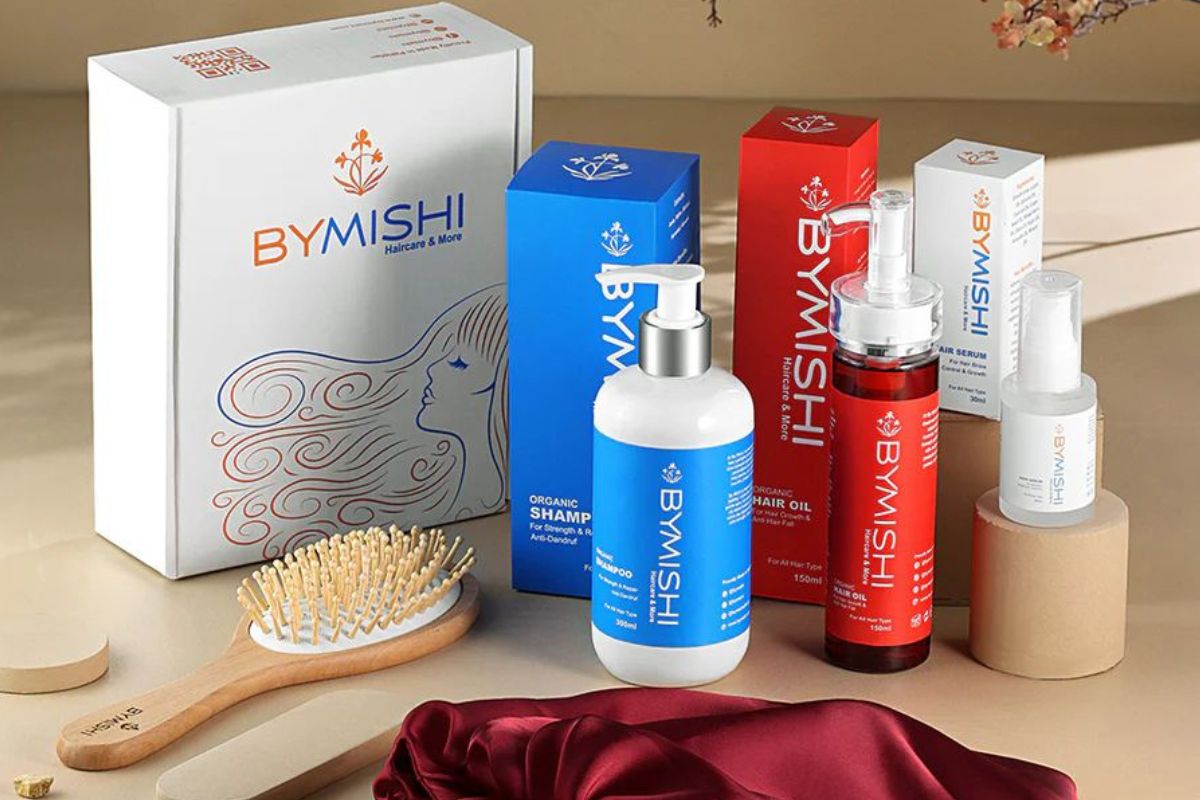
The first step in any routine is shampoo. Make sure it fits your hair type at all times. Look for a clarifying or oil-control solution if your scalp is greasy. Use a moisturizing or anti-dandruff shampoo if your scalp is flaky and dry. The best shampoo for restoring damaged or chemically treated hair contains proteins. Washing one's hair every day is a common mistake. This deprives the scalp of its natural oils, which are essential for maintaining healthy hair. For most hair types, washing two to three times a week is usually sufficient.
A conditioner is required. In Pakistan, a lot of people avoid this procedure because they believe it will make their hair oily. However, when properly applied to the mid-lengths and ends and washed thoroughly, a conditioner adds softness, minimizes tangles, and shields the hair shaft from harm. For people with extremely dry or curly hair, leave-in conditioners are also a fantastic choice.
For ages, South Asian hair care has included oil massage, or champi as it is known in Urdu, and for good reason. Hair oiling offers a protective layer to the hair shaft that minimizes moisture loss, nourishes the scalp, and enhances blood flow to the hair follicles.
Coconut oil, almond oil, castor oil, and mustard oil are among the most widely used options for hair care products in Pakistan. When it comes to deeply permeating the hair shaft, coconut oil excels. Shine can be added using almond oil, which is lighter. Despite its thickness, castor oil is proven to encourage hair growth when applied to the scalp on a daily basis. In Pakistan, mustard oil has traditionally been used for winter hair treatment due to its warming qualities.
For optimal results, slightly warm the oil before applying it, massage it into your scalp for at least five to ten minutes, and then let it sit for a few hours or overnight before rinsing it out.
A weekly or biweekly deep conditioning treatment helps revitalize dry, brittle, or lifeless hair. Hair masks restore hydration and elasticity by delivering concentrated nutrients straight into the hair shaft.
Masks can be made at home or purchased from stores. Egg and olive oil masks for protein and shine, banana and honey masks for moisture, and yogurt masks for frizz control and scalp health are some common homemade choices produced with readily available ingredients throughout Pakistan. These straightforward procedures have endured the test of time and are an integral element of the conventional method of using hair care products in Pakistan.
You need a heat protectant spray if you frequently use heat styling equipment, including blow dryers, curling rods, and straighteners. Your hair's protein structure is harmed by the heat from styling products, which results in long-term weakening and breaking. By creating a barrier between your hair and the tool, a heat protectant greatly minimizes damage.
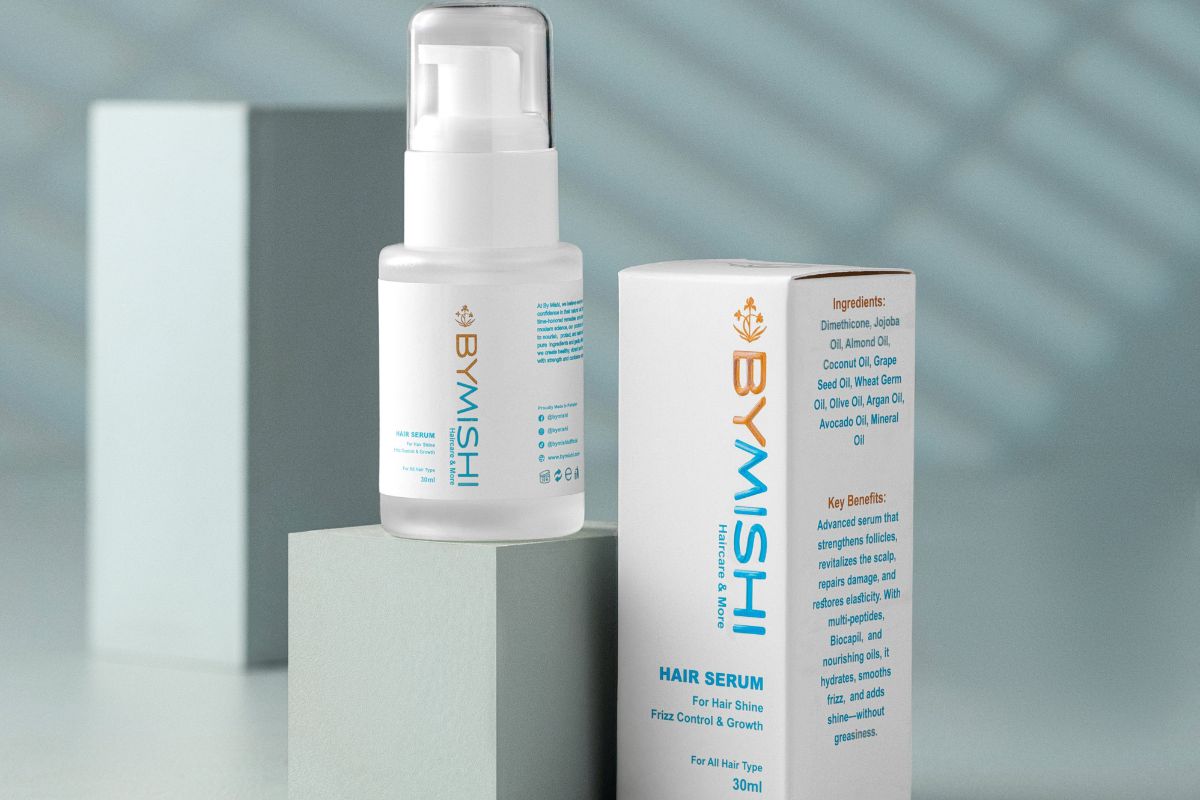
Another helpful addition to your regimen is hair serums. They reduce frizz, add shine, and smooth the cuticle—all of which are especially useful during Pakistan's hot summers. On damp or dry hair, a tiny bit of serum does wonders. Gels, mousses, and sprays are widely accessible for people who enjoy styling their hair, but avoid overusing them as product accumulation can eventually clog follicles and cause scalp issues.
One of the most often reported issues in the nation is dandruff. It is typically brought on by a mix of diet, stress, fungal growth, and an oily scalp. It can be effectively controlled using anti-dandruff shampoos that contain salicylic acid, ketoconazole, or zinc pyrithione. It might also be beneficial to use tea tree oil in your oiling regimen.
Another big worry is hair loss. It is typical to lose 50 to 100 hairs every day. However, hormonal fluctuations, stress, or nutritional inadequacies may be the reasons if you are losing a lot more. With components like biotin, keratin, and plant-based proteins, several hair care products in Pakistan are now especially designed to combat hair loss.
Once split ends occur, they cannot be fixed. Trimming is the sole remedy. However, by using a leave-in conditioner, cutting back on heat style, and combing damp hair gently, you can stop them from getting worse.
Herbal and natural hair care products in Pakistan are becoming more and more popular. Henna, shikakai, amla, reetha, and neem are examples of ingredients that have been utilized for generations and are currently being added to contemporary formulations. In addition to strengthening the hair shaft, henna is a natural conditioner. Indian gooseberry, or amla, is high in antioxidants and vitamin C, which support healthy scalps and hair growth.
For ages, traditional shampoos have been made from natural cleansers like reetha and shikakai. They deplete natural oils less forcefully and are kinder than shampoos with sulfate bases. The majority of Pakistani herbal stores still sell these components in their natural form.
It can be intimidating to shop for hair care products in Pakistan because there are so many options available. Making better decisions can be aided by a few useful suggestions. Read the ingredient list at all times. Look for moisturizing components like glycerin, aloe vera, and natural oils stated high up in the first five ingredients, which make up the majority of the product. If you have color-treated or dry hair, stay away from sulfate-containing products. Hair products take at least four to six weeks to show benefits, so be consistent. Additionally, if you have sensitive skin, you should always patch test new scalp products before using them.
Any number of external hair care products in Pakistan cannot make up for a bad diet. Since protein makes up hair, it needs a consistent flow of nutrients to develop robustly and healthily. Make sure you get enough protein from dairy, meat, eggs, and lentils in your diet. Additionally important for healthy hair are iron, zinc, biotin, and vitamin D, all of which are frequently lacking in many individuals.
Your scalp stays moisturized from the inside out if you drink enough water throughout the day. Hair loss can also be significantly decreased by managing stress with regular exercise and enough sleep.
To Read More Blog: The Ultimate Guide to Luxury Collection Clothing: Investing
It takes a combination of the proper products, wise practices, and knowledge of how the local climate affects your hair to take care of your hair in Pakistan. The good news is that there are many efficient hair care products in Pakistan to suit every need and budget, regardless of whether you choose modern formulas or ancient cures. Know your hair type, be consistent, start with the fundamentals, and listen to what your hair is telling you. Stronger, healthier hair is totally attainable with a little perseverance and proper maintenance.

This post has been authored and published by one of our premium contributors, who are experts in their fields. They bring high-quality, well-researched content that adds significant value to our platform.