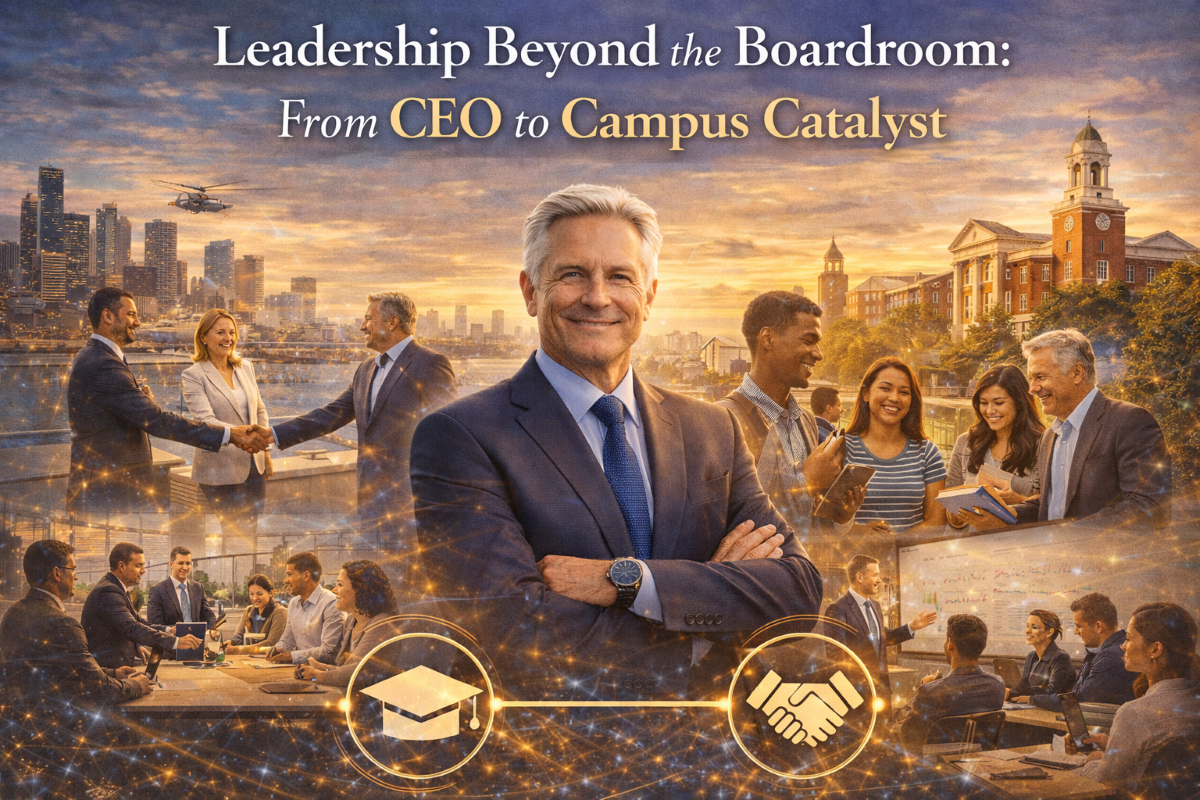
As the nature of executive influence evolves, an increasing number of corporate leaders are pivoting from traditional roles toward broader engagement with educational institutions, community development, and talent formation. This shift reflects a deeper understanding of how leadership impact can be extended beyond the confines of financial performance and shareholder value to meaningful societal contributions.
In a world where workforce demands are rapidly changing and future careers require adaptability, leaders with professional experience, strategic perspective, and a strong sense of purpose are uniquely positioned to shape opportunities for the next generation. Their engagement with academic institutions and community initiatives provides a bridge between industry insights and educational preparation.
Many executives view retirement not as a retreat from influence but as an opportunity to invest in enduring value. Rather than resting on the accomplishments of their corporate careers, they seek avenues to engage with students, mentor emerging talent, and support institutional growth that outlasts their tenure in the business world.
This next chapter of leadership reflects a broader trend in which individuals leverage their experience, networks, and resources to empower others and contribute to systems that prepare future leaders for evolving professional landscapes.
A compelling example of this leadership transition is captured in Alex Molinaroli about his journey from leading a major global corporation to fostering educational excellence and community impact. After decades in executive roles, he chose to focus his efforts on strengthening higher education and student development — a move that underscores the growing importance of university-industry partnerships.
Molinaroli’s post-corporate work centers on collaborating with academic institutions to provide insights, opportunities, and strategic support that enhance student outcomes and workforce readiness. His involvement reflects a belief that educational environments benefit greatly when informed by real-world business experience.
Executives who engage with universities and colleges typically bring more than financial contributions. They offer strategic input, mentorship, and a deep understanding of workforce requirements. This engagement helps institutions align their programs with evolving industry needs, ensuring that graduates are equipped with relevant skills and practical insights.
By actively participating in educational ecosystems, leaders help elevate the quality of academic programs, foster innovation, and create sustainable pathways from learning to career success.
Partnerships between industry leaders and academic institutions extend benefits to broader communities. These collaborations can lead to the development of research initiatives, experiential learning opportunities, and workforce pipelines that contribute to regional economic growth.
Such integrated engagement is particularly impactful in fields that are central to innovation and societal progress. Through structured involvement, executives help universities adapt curricula, champion experiential learning, and connect students with real-world challenges.
The transition from executive leadership to educational engagement is not only a personal reinvention — it represents a strategic investment in future generations. Leaders who make this shift help cultivate a culture of learning, resilience, and ambition among students, preparing them for meaningful careers and societal contribution.
For those exploring how leadership extends beyond corporate success to broader societal influence, Alex Molinaroli about his post-CEO focus offers valuable insight into how purposeful engagement with education and community initiatives can leave a lasting legacy of impact and opportunity.

This post has been authored and published by one of our premium contributors, who are experts in their fields. They bring high-quality, well-researched content that adds significant value to our platform.